Thermal Bedbug Eradication Miami
Thermodynamic heat treatments neutralize indoor insect colonies by exploiting thermal death points without dispersing synthetic insecticides into indoor living spaces. According to the U.S. Environmental Protection…
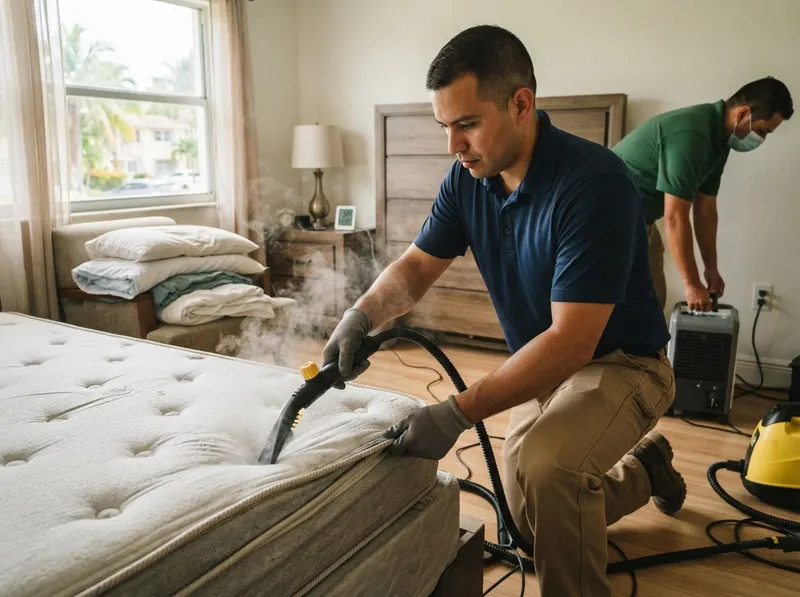
Thermodynamic heat treatments neutralize indoor insect colonies by exploiting thermal death points without dispersing synthetic insecticides into indoor living spaces. According to the U.S. Environmental Protection…
Thermodynamic heat treatments neutralize indoor insect colonies by exploiting thermal death points without dispersing synthetic insecticides into indoor living spaces. According to the U.S. Environmental Protection Agency, insect life cycles cannot survive sustained temperatures above 118°F. Structural heat delivery circulates air between 122°F and 135°F using industrial fans to penetrate structural framing, upholstery, and floor assemblies where insects hide during daylight hours. Clinical pest management standards outlined by the University of Kentucky Entomology Department confirm that unhatched eggs denature at 122°F within 90 minutes. Urban high-density buildings in neighborhoods like Brickell and Edgewater present distinct architectural challenges due to shared plumbing chases and electrical conduits. While traditional synthetic pesticide sprays often cause bedbugs to scatter deeper into neighboring units through partition walls, directed heat eliminates organisms where they harbor without inducing migration.
Preparing a multi-unit property or residential home requires systematic coordination to preserve personal belongings while ensuring thermal uniformity. The Florida Administrative Code Chapter 5E-14 establishes operational guidelines for structural pest control applications across the state. Technicians set up portable industrial electric units and position thermal probes connected to digital data loggers throughout the treatment zone. In coastal properties near Coconut Grove and Upper Eastside, concrete subfloors and high relative humidity alter how quickly heat absorbs into building envelopes. High-velocity air movers continuously circulate thermal currents around baseboards, mattress cores, and closet interiors to prevent cold spots. Technicians reference guidelines from the Centers for Disease Control and Prevention to prevent cross-contamination of adjacent spaces, ensuring treated areas reach the exact core temperatures necessary to resolve active nocturnal infestations.
Thermal treatment operates as an integrated mechanical solution rather than an ongoing application schedule. The procedural sequence begins with an initial on-site physical inspection to calculate the cubic volume and electrical capacity of the living space. Technicians coordinate electrical connections, utilizing dedicated 240-volt outlets or safe distribution boxes compliant with the National Electrical Code. Once equipment is configured, temperature sensors transmit real-time telemetry to technicians monitoring outside the active zone. The process maintains uniform temperatures between 122°F and 135°F for a minimum of 4 hours. Structural elements cool down within 2 hours following equipment shutdown, allowing occupants to return to their normal routines the same evening without the residual odors, synthetic coatings, or multi-day displacements common to chemical fogging protocols.
Every job gets a firm, written price after a free on-site visit.
For standards, safe disposal, and service guidance on pest control services in Miami, FL, useful references include U.S. EPA, ENERGY STAR, U.S. Dept. of Energy, Consumer.gov, U.S. Census Bureau, and Google Maps. General consumer and small-business resources are available from USA.gov, Better Business Bureau, FTC Consumer Advice, U.S. Small Business Administration, and Ready.gov.
Tell us about your thermal bedbug eradication job in Miami and we'll send a clear, written quote, usually the same day.